
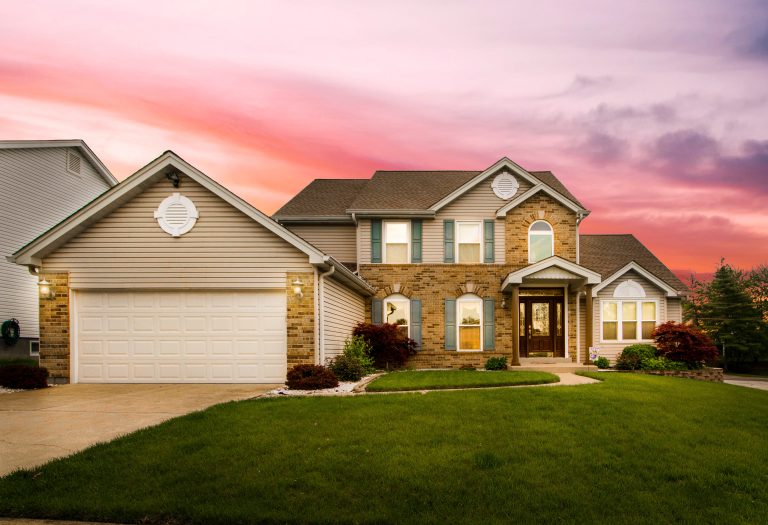
Durham, North Carolina, has evolved into one of the Triangle’s most distinctive and desirable real estate markets. Once known primarily for its tobacco and textile industries, Durham is now a thriving center for healthcare, technology, education, entrepreneurship, dining, and culture. Its combination of historic neighborhoods, newer residential communities, employment opportunities, and proximity to Research Triangle Park continues to attract people from throughout North Carolina and across the country.
For home buyers, Durham offers an unusually diverse selection of properties, ranging from historic bungalows near downtown to contemporary townhomes, suburban single-family homes, luxury residences, and new construction. For homeowners considering selling, the city’s continued growth and desirability provide an active audience of potential buyers.
Understanding Durham’s neighborhoods, housing stock, attractions, and broader real estate environment can help both buyers and sellers make better-informed decisions.
Understanding the Durham Real Estate Market
Durham is part of the larger Research Triangle region, which includes Raleigh, Durham, Chapel Hill, Cary, and numerous surrounding communities. The area’s economic strength has played an important role in supporting residential real estate demand.
Major employers and institutions such as Duke University, Duke University Health System, Research Triangle Park, and numerous technology, biotechnology, pharmaceutical, and research companies bring a steady stream of professionals into the region. Durham also appeals to people who work elsewhere in the Triangle but prefer the city’s character, amenities, and housing options.
The Durham market includes everything from entry-level condominiums and townhomes to multimillion-dollar luxury properties. Prices can vary considerably based on location, property condition, lot size, school assignment, neighborhood amenities, and proximity to employment and entertainment centers.
Unlike communities dominated by one particular style of development, Durham offers both established neighborhoods and rapidly growing areas. Buyers can explore century-old homes close to downtown or newer communities farther north, south, and east of the city.
For sellers, this diversity means that correctly positioning a property is especially important. A renovated historic home near downtown may appeal to a very different buyer than a newer home with a large yard in suburban Durham.
Popular Durham Neighborhoods
One of Durham’s greatest strengths is the variety of its neighborhoods. Each area offers a different combination of architecture, location, amenities, and lifestyle.
Trinity Park is one of Durham’s best-known historic neighborhoods. Located close to Duke University’s East Campus and downtown, it features tree-lined streets and an impressive collection of older homes. Buyers are often drawn to the area’s character, walkability, and proximity to restaurants, cultural attractions, and Duke.
Hope Valley offers a different residential experience. Known for established homes, mature landscaping, and the historic Hope Valley Country Club, the area has long been associated with some of Durham’s more substantial residential properties. Home styles and prices vary, however, making the broader Hope Valley area appealing to a range of buyers.
Woodcroft, in southwest Durham, is popular with buyers looking for an established community with convenient access to shopping, restaurants, trails, and major roads. The neighborhood includes homes from several periods and is known for its wooded setting and extensive trail system.
Southpoint and surrounding southern Durham communities have become increasingly important parts of the local housing market. The area provides convenient access to Interstate 40, Research Triangle Park, Chapel Hill, Raleigh, and The Streets at Southpoint. Buyers can find single-family homes, townhomes, apartments, and newer residential developments throughout this portion of Durham.
Downtown Durham has undergone one of the city’s most visible transformations. Former tobacco warehouses and industrial buildings have been converted into apartments, condominiums, offices, restaurants, and entertainment destinations. Buyers interested in an urban lifestyle can find condominiums, townhomes, renovated properties, and newer developments in and around the downtown district.
Other areas such as Old West Durham, Watts-Hillandale, Northgate Park, Duke Park, and neighborhoods throughout north Durham provide additional choices. Because Durham is so varied, buyers should consider individual neighborhoods rather than judging the entire city by one area.
What Types of Homes Can Buyers Expect?
Durham’s housing stock reflects the city’s long history and rapid modern growth.
In older neighborhoods, buyers may encounter Craftsman-style bungalows, cottages, Colonial Revival homes, mid-century properties, and houses with architectural details rarely found in newer developments. These homes can provide considerable character, but buyers should carefully evaluate their condition.
Older properties may have updated kitchens and bathrooms while still containing aging plumbing, electrical, roofing, HVAC, foundation, drainage, or insulation systems. A professional home inspection can therefore be particularly valuable when purchasing an older Durham property.
Newer neighborhoods generally offer more contemporary floor plans, including larger kitchens, open living spaces, walk-in closets, attached garages, and energy-efficient building materials. Townhomes have also become an important part of Durham’s housing inventory, particularly in areas experiencing higher-density development.
Buyers should remember that “newer” does not automatically mean maintenance-free. Construction quality can vary by builder and development, making inspections worthwhile even with relatively new homes.
Housing Standards and Property Considerations
North Carolina buyers should understand the difference between a home’s appearance and its actual condition. Attractive cosmetic renovations do not necessarily indicate that the property’s major systems have been updated.
Important areas to investigate include the roof, foundation, crawlspace, plumbing, electrical system, heating and cooling equipment, windows, drainage, and signs of moisture intrusion.
Crawlspaces deserve particular attention in this region because North Carolina’s humid climate can contribute to moisture problems. Drainage and grading are also important, particularly on properties with sloped or heavily wooded lots.
Buyers considering historic homes should investigate whether a property is located within a historic district and whether restrictions may apply to exterior alterations. Similarly, buyers considering newer planned communities should review homeowners association fees, covenants, architectural requirements, and community regulations before purchasing.
Sellers can benefit from addressing obvious maintenance issues before listing. A home that appears well maintained and has clearly documented improvements can give buyers greater confidence and potentially reduce complications during inspections and negotiations.
Downtown Durham and the City’s Renaissance
Durham’s revitalized downtown has significantly influenced perceptions of the city and its real estate market.
The American Tobacco Campus is one of the most recognizable examples of Durham’s redevelopment. Historic industrial buildings have been transformed into offices, restaurants, gathering spaces, and entertainment venues while preserving much of the architecture associated with the city’s tobacco-manufacturing past.
Nearby, the Durham Performing Arts Center—widely known as DPAC—draws audiences for Broadway productions, concerts, comedy, and other live performances. The Durham Bulls Athletic Park provides another major downtown attraction and reinforces the area’s lively entertainment environment.
Downtown also offers an expanding collection of restaurants, breweries, coffee shops, galleries, and locally owned businesses. This combination has made central Durham increasingly attractive to buyers who want to live close to entertainment and dining rather than commuting to them.
The result has been substantial residential development in and around downtown, including condominiums, apartments, townhomes, and mixed-use projects.
Duke University and Durham’s Economic Foundation
It is difficult to discuss Durham real estate without considering Duke University.
The university and its associated medical and research facilities are major economic anchors. They attract faculty members, physicians, researchers, healthcare professionals, students, and supporting businesses to the area.
Duke’s presence also contributes to demand in neighborhoods near its campuses and medical facilities. Buyers who value shorter commutes may specifically target areas around Duke, while investors sometimes consider properties that may appeal to university-affiliated renters.
Research Triangle Park provides another major employment engine. Located between Durham and Raleigh, RTP is home to companies and organizations involved in technology, life sciences, pharmaceuticals, research, and other industries.
For many home buyers, Durham’s access to RTP is a significant advantage.
Parks, Recreation, Dining, and Entertainment
Real estate value is influenced by more than the house itself. Buyers increasingly evaluate the lifestyle surrounding a property, and Durham has developed an extensive collection of recreational and cultural attractions.
The Sarah P. Duke Gardens provides acres of landscaped gardens and walking areas near Duke University. The Museum of Life and Science is another prominent local destination, particularly for families.
Eno River State Park provides hiking, nature, and river access only a short distance from developed portions of Durham. The American Tobacco Trail offers miles of recreational trail for walking, running, and cycling.
Food has also become an important part of Durham’s identity. The city has earned recognition for its independent restaurants, breweries, coffee shops, food halls, and locally focused culinary scene. Downtown, Ninth Street, Brightleaf, and other districts provide concentrations of dining and entertainment.
For sellers, proximity to parks, trails, restaurants, shopping, employment centers, and entertainment can be important marketing points when presenting a property to prospective buyers.
What Durham Home Buyers Should Consider
Home buyers should begin by deciding which characteristics matter most rather than concentrating exclusively on price.
Commute time can vary considerably depending on where a home is located and where the buyer works. Someone commuting to Duke University may prioritize different neighborhoods than someone traveling regularly to RTP, Raleigh, or Chapel Hill.
Buyers should also consider property taxes, homeowners insurance, HOA expenses, maintenance costs, and potential renovations when establishing a housing budget.
School assignments may be another consideration for some households. Because attendance zones and educational options can change, buyers should verify current information directly with the appropriate school system rather than relying solely on a real estate listing.
Finally, buyers should compare recent sales and competing properties within the specific neighborhood. Durham is not one uniform market. Conditions can differ substantially between downtown condominiums, historic neighborhoods, suburban communities, and new developments.
What Durham Home Sellers Should Know
Sellers should approach the market with equally local expectations.
Pricing a Durham home effectively requires more than reviewing a citywide median sales price. Recent comparable sales should reflect the property’s location, size, age, condition, renovations, lot characteristics, and neighborhood.
Presentation also matters. Decluttering, landscaping, minor repairs, fresh paint, and professional-quality photography can significantly improve a home’s first impression.
Sellers should also gather records relating to significant improvements. Documentation for a newer roof, HVAC replacement, crawlspace work, electrical upgrades, plumbing improvements, windows, or renovations may help distinguish a property from competing listings.
Most importantly, sellers should recognize that buyers have access to substantial amounts of information. Pricing a property appropriately from the beginning can be more effective than starting with an unrealistic asking price and repeatedly reducing it.
The Future of Durham Real Estate
Durham’s long-term appeal is supported by several characteristics that extend beyond short-term housing-market fluctuations.
The city benefits from major universities and healthcare institutions, proximity to Research Triangle Park, continued population and business growth throughout the Triangle, and a cultural identity that distinguishes Durham from neighboring communities.
At the same time, buyers and sellers should not assume that every property will appreciate at the same rate or that market conditions will always favor one side of the transaction. Mortgage rates, housing inventory, employment trends, new construction, affordability, and the broader economy can all influence sales activity.
Durham’s variety may ultimately be one of its greatest real estate strengths. Buyers can choose between historic architecture and modern construction, urban living and suburban neighborhoods, small homes and luxury properties, all within one growing city.
Is Durham, NC a Good Place to Buy or Sell a Home?
For buyers, Durham offers access to one of North Carolina’s strongest economic regions along with a distinctive combination of history, education, culture, recreation, and entertainment. Its broad range of neighborhoods allows buyers to choose a location and housing style that fits their priorities rather than settling for a one-size-fits-all community.
For sellers, Durham’s visibility within the Triangle creates opportunities to market homes to local residents as well as people relocating to the region for employment, education, or lifestyle reasons.
Whether buying a bungalow near downtown, considering a townhome near Southpoint, searching for more space in north Durham, or preparing an existing property for sale, understanding the individual neighborhood and current market conditions is essential.
Durham has successfully blended its historic identity with the growth of a modern technology, healthcare, and research economy. That combination has helped create a real estate market with an unusually diverse collection of properties and neighborhoods—and one that continues to play a major role in the growth of North Carolina’s Triangle region.